
Разное
Motorhome Life: A Practical and Passionate Guide to Living, Traveling, and Choosing the Right Rig

Owning or renting a motorhome changes how you think about travel. The world stops being a string of hotel reservations and becomes a route you can bend, stretch, or scrap on a whim. You bring your bed, your kitchen, your tiny bathroom, and a sense of home on wheels. But beyond the romance—sunsets from a folding chair, last-minute detours to hidden lakes—there’s a lot to know if you want that life to be comfortable, safe, and sustainable. This article walks through the essentials: types of motorhomes, how to choose one, technical systems, costs and insurance, maintenance, practical living tips, legal and environmental considerations, and a look at the future of mobile living.
What Is a Motorhome? Definitions and the Big Picture
At its most basic, a motorhome is a vehicle designed to provide living quarters while you drive it from place to place. It combines transportation and accommodation into one machine. That simple fact gives rise to a dizzying range of designs, sizes, and philosophies—some rigs are compact vans designed for nimble city travel, others are coach-like houses on wheels with slide-outs and dozens of systems. Beyond practicality, motorhomes create a flexible relationship with place. They let you sleep in highland forests and by seaside cliffs with the same mattress. But they also require more planning than a suitcase and a plane ticket: you must think about power, waste, water, weight, and whether that narrow mountain road will swallow your side mirrors. Understanding the categories and systems helps you pick a rig that fits your life rather than the other way around.
Types of Motorhomes: A Simple Comparison
Different styles suit different priorities. Here’s a compact table to compare the main types, then we’ll unpack each one.
| Type | Description | Best for | Typical Length |
|---|---|---|---|
| Class A (Coach) | Large, bus-like motorhomes with generous living space and storage. | Full-time living, long trips with family, luxury comfort. | 25–45+ ft (7.5–14 m) |
| Class B (Campervan) | Converted vans with compact essentials; easy to drive and park. | Solo travelers, couples, urban travel, light adventure. | 15–22 ft (4.5–6.7 m) |
| Class C | Mid-size rigs with an over-cab bed; blends space and drivability. | Families, those who want sleeping flexibility without a coach. | 20–32 ft (6–9.7 m) |
| Coachbuilt / Van Conversion | Custom-built bodies or factory-built motorhomes on van/chassis bases. | Those seeking tailored layouts or better fuel economy than Class A. | Varies widely |
| Pop-top & Camper Trailers | Not strictly motorhomes but related: pop-up roofs or towed campers. | Budget-conscious, those with towing vehicles, festivals. | Varies |
Class A (Coaches)
Class A motorhomes are the mobile living rooms of the group. Built on commercial truck or bus chassis, they offer roomy kitchens, multiple slide-outs, full-size bathrooms, and storage that can swallow bicycles and kayaks. They’re heavy, thirstier at the pump, and need space to maneuver, but they reward with comfort—especially for long-term travelers.
Class B (Campervans)
Campervans are clever about space. Designers squeeze a foldable bed, a compact kitchenette, and clever storage into a cargo van. They’re easier to park, more fuel-efficient, and often cost far less than larger rigs. Living in a van forces decisions about minimalism and multi-use furniture. For many, that restriction is part of the appeal.
Class C
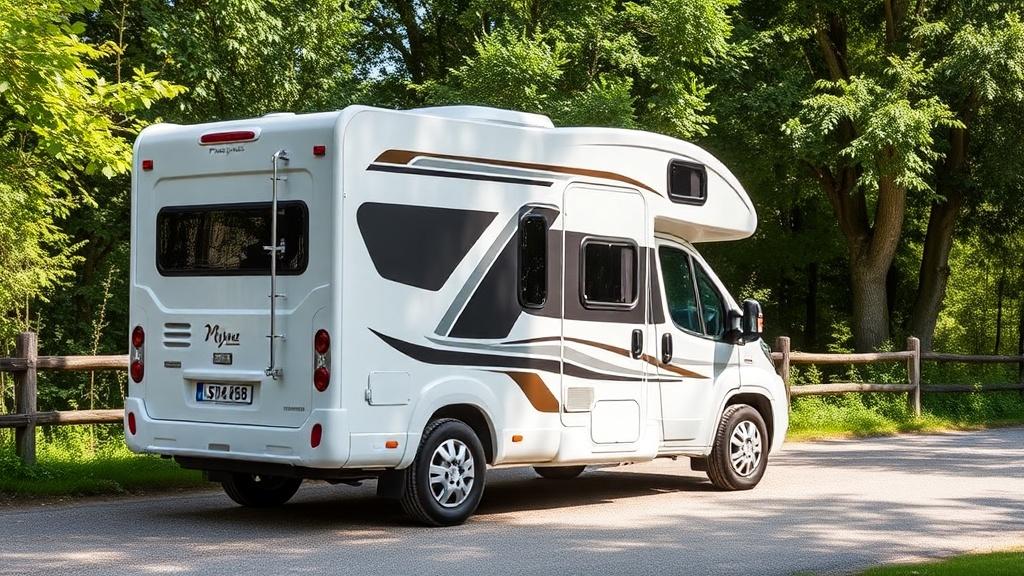
C-Class rigs are a middle ground: more space than a van, better handling than a coach. The over-cab bed is ideal for kids or extra guests. They’re common rental options because they suit families and provide clear separation between driving and living spaces.
Conversions and Custom Builds
A growing community converts vans and box trucks into personalized homes. Conversions range from simple DIY builds to professional workshops that install sophisticated electrical systems and triple-glazed windows. If you like hands-on projects and want a bespoke layout, conversions deliver creativity—but they require time, skill, and a realistic budget.
Buying vs. Renting vs. Building: Which Path to Take?
Before committing to a purchase, consider alternatives. Rentals let you test a type and see how it fits your travel style. Short-term rental is perfect for a trial run before spending tens of thousands of dollars. Building or converting your own rig can be cheaper and more personalized, but it’s a major project. Buying new offers the latest features and warranties; buying used saves money but demands thorough inspections.
- Renting: Low commitment, try multiple styles, learn what matters to you.
- Buying new: Warranty, customization, but highest upfront cost.
- Buying used: Better value, but check structural, mechanical, and moisture damage carefully.
- Converting: Tailored outcome, steep learning curve, trades required for safe systems.
Checklist for Buying: What to Inspect
- Vehicle chassis and engine service history.
- Signs of water ingress: soft wood, mold, stains around windows and the roof.
- Seals, roof condition, and flashing work.
- Electrical systems: batteries, inverter performance, shore power sockets.
- Gas systems: propane leaks, regulator function, burner ignition.
- Brakes, tires (age and tread), suspension, and alignment.
- Waste systems: holding tanks, valves, sensors accuracy.
- Appliances: refrigerator, heater, water heater, and pump operation.
- Documentation: owner’s manual, conversion certificates, service records, title.
Costs and Budgeting: Real Numbers, Real Choices
Money conversations can be blunt, but they’re necessary. Motorhomes span a wide price range, and ongoing costs add up: fuel, insurance, maintenance, storage, campsite fees, and depreciation.
| Expense | Typical Range | Notes |
|---|---|---|
| Purchase (new) | $50,000–$500,000+ | Coach luxury drives price sky-high; campervans at lower end. |
| Purchase (used) | $10,000–$200,000 | Depends on age, condition, and brand. |
| Insurance (annual) | $800–$3,000+ | Depends on value, usage, driving history, and coverage type. |
| Fuel (annual) | $2,000–$10,000+ | Varies widely with mileage and fuel economy. |
| Maintenance & Repairs (annual) | $500–$5,000+ | Older rigs and motorhomes with many systems cost more. |
| Campsite fees | $10–$80 per night | National parks and premium RV resorts cost more; boondocking is cheaper. |
| Storage (if not parked at home) | $50–$300/month | Indoor storage is pricier than outdoor lots. |
Think long-term: a cheap purchase might need more repairs and could even cost more over five years. Conversely, a higher-quality rig with good maintenance can retain value and save grief.
Power and Utilities: How to Keep the Lights On
Understanding power, water, and waste systems is the foundation of comfortable motorhome life. These systems determine how independent you can be and how much planning your days require.
Electric Systems
Most motorhomes use a combination of 12V DC systems (for lights, pumps, fans), 120/240V AC (shore power and appliances), and an inverter to switch between them. Batteries are the heart of off-grid energy: lead-acid, AGM, and lithium-ion are common. Lithium batteries cost more but are lighter, deeper-cycling, and last longer. Important components:
- Batteries: store energy for lights, pumps, and inverter loads.
- Charger/Converter: charges batteries from shore power or engine alternator.
- Inverter: converts DC battery power to AC for household appliances.
- Shore power inlet: plugs into campsite electricity.
- Solar panels and charge controllers: provide quiet, renewable power.
If you plan to boondock (camp without hookups), invest in solar and adequate battery capacity. A 200–400W solar array with a modern MPPT controller is a good starting point for many vans; larger rigs need proportionally more.
Propane and Heating
Propane powers many motorhome appliances: cooktops, ovens, refrigerators (on older models), and heaters. Modern rigs may have diesel-fired heaters that use the vehicle’s fuel, offering more safety in cold climates. Install carbon monoxide and propane leak detectors—non-negotiable safety gear.
Fresh Water and Waste
Water systems include a freshwater tank, a pump, a water heater, and gray and black water tanks. Capacities vary; typical freshwater might be 20–100 gallons. Managing water use—quick showers, smart dishwashing—extends your independence between fill-ups. Black tank maintenance (regular flushing and proper chemical use) prevents clogs and odors.
Maintenance: Keep Your Home Moving
Regular maintenance saves money and stress. Create a schedule for daily, monthly, and annual checks.
| Frequency | Task | Why It Matters |
|---|---|---|
| Before each trip | Tire pressure & condition, lights, fluid levels, battery charge | Safety and reliability |
| Monthly | Test alarms, check seals and roof, run generator, inspect propane | Prevents small issues from growing |
| Every 3–6 months | Change oil (driving engine), check brakes, service water pump | Engine health and mechanical reliability |
| Annually | Full service (engine & cabin systems), inspect chassis, deep clean tanks | Long-term durability and resale value |
Tires age even when unused. Check the manufacture date (DOT code) and replace tires every 5–7 years even if tread remains. Roof seals are another common failure point—repair leaks quickly to avoid structural rot.
Packing, Storage, and Living Comfortably
A motorhome’s limited space amplifies the need for organization. Multi-use items and smart storage keep clutter down and comfort high.
Packing Essentials
- Basic toolkit, fuses, spare bulbs, and hose connectors.
- Extra motor oil, coolant, and a small container of drinking water.
- First-aid kit, fire extinguisher, carbon monoxide and propane alarms.
- Cleaning supplies and black tank treatment chemicals.
- Foldable chairs and an awning mat for outdoor living.
Storage Tips
Use soft storage bins for climbing into tight cabinets. Keep heavy items low and centered to maintain vehicle balance. Consider a roof rack for bulky gear like kayaks, but calculate weight limits carefully and watch the vehicle’s height clearance.
Comfort Upgrades
Small changes make big differences:
- High-quality bedding to ensure restful sleep.
- Thermal window covers to control temperature and privacy.
- LED lighting for low-power, pleasant illumination.
- Water filter for taste and safety when boondocking.
Driving and Maneuvering: Practical Tips
Driving a motorhome is different from driving a car. Weight, length, and wind all change how your rig behaves.
- Plan routes with your vehicle height and weight in mind—bridge limits and low clearances matter.
- Allow more braking distance; heavy rigs need longer to stop.
- Take corners wider and slower; mirror practice helps avoid narrow surprises.
- Use a level and wheel chocks when parked on slopes.
- Practice backing up in open spaces to get comfortable with mirrors and turning radius.
When crossing mountain passes, manage engine temperature: downshift early instead of continually using the brakes. In strong crosswinds, maintain a firm grip on the wheel and slow down.
Campground Etiquette and Smart Site Selection
Respect goes a long way: quiet hours, trash disposal, and not monopolizing communal resources keep campgrounds pleasant for everyone. Choose sites that match your setup: some campsites are tight and better for vans than coaches.
- Arrive during daylight to set up easily.
- Level your rig for comfortable sleeping and appliance operation.
- Keep slides closed at parks with tight space next to you unless you’ve checked your neighbors’ comfort.
Boondocking and Off-Grid Travel
Boondocking—the practice of camping without hookups—delivers solitude and often dramatic scenery, but it requires resourcefulness.
- Conserve water and power; showers and hair-washing routines change on long stays.
- Manage gray water and black tank space to avoid leaving a mess.
- Solar panels with battery storage and a generator backup provide resilience.
- Respect land: use established pullouts and follow Leave No Trace principles.
Tools that help: fridge that runs efficiently on DC power, a good solar setup, and a reliable power monitor so you know how many amp-hours you have left.
Safety and Legal Considerations
Rules and risks are part of the motorhome equation. Regulations vary by country and state, so research local laws about overnight parking, maximum vehicle weights, and licenses.
- Licensing: In many countries, a standard car license allows you to drive up to 3.5 tonnes; heavier rigs may require a different class of license.
- Insurance: Choose a policy that covers both the vehicle and contents. Consider roadside assistance tailored to motorhomes.
- Permits and parking: Urban areas often restrict overnight parking; national parks have specific rules.
- Security: Lock systems, alarms, and secure mounting for valuables reduce theft risk.
Install smoke and carbon monoxide detectors, and practice an evacuation plan. Propane leaks and faulty heaters are dangerous but avoidable with regular checks.
Living Full-Time vs. Weekend Warriors
Full-time motorhome living and occasional vacations are different lifestyles. Full-timers think in systems—mail forwarding, health insurance continuity, and income stability. Weekenders prioritize gear, quick setup, and durable storage for a less-used rig.
- Full-timers: invest in reliability, solar, and long-term storage solutions; handle mail and legal residency ahead of time.
- Part-timers: value ease of use, shorter setup/teardown time, and weatherproof storage during inactive months.
Van Conversions: DIY vs Professional
Converting a van can be deeply satisfying but requires honesty about skills. Electrical work and gas installations should meet safety codes—often requiring professional installation and inspection.
- DIY pros: save money and learn valuable skills; projects can drag on if underestimated.
- Professional conversions: cost more but provide certification and faster turnaround.
Budget realistically: professional builds can cost as much as a used turnkey motorhome. Factor in insulation, electrical systems, plumbing, cabinetry, and labor if you don’t do it yourself.
Environmental Impact and How to Lower It
Motorhome travel has an environmental footprint—fuel use and campsite impacts are obvious contributors. Yet you can minimize harm.
- Choose efficient rigs and maintain engines to minimize emissions.
- Use solar, LED lighting, and energy-efficient appliances to reduce reliance on generators.
- Practice responsible waste disposal and reduce single-use plastics.
- Travel slower and stay longer in places you love rather than frequent long drives.
Emerging technologies—electric chassis, hydrogen systems, and lightweight materials—promise lower emissions, but current electric motorhomes are limited by range and charging infrastructure. For now, the combination of careful driving and renewable energy systems is the practical route.
Community, Culture, and Resources
The motorhome community is generous: online forums, regional clubs, and meetups provide support and stories. Apps and websites help with logistics—finding free or paid sites, local services, and user reviews. Useful apps and sites:
- iOverlander — crowdsourced camping spots and services
- Park4Night — locations for parking and overnight stays
- Campendium — reviews of campgrounds with filterable search
- RV forums and Facebook groups — troubleshooting and advice
Swap stories and learn from others; someone will have already solved the problem you’re facing.
Upgrades and Gadgets Worth Considering
Not every gadget earns its place. Here are items that consistently improve life on the road:
- Portable solar panels for supplemental charging.
- Portable tankless water heaters for endless hot showers.
- Diesel heaters for efficient cold-weather comfort.
- Satellite or cellular boosters for reliable connectivity in remote areas.
- Electric brake controller and weight-distribution hitch if towing.
Choose upgrades that align with your typical trips. If you rarely leave campgrounds with hookups, solar and extra batteries matter less than a big fridge or comfortable mattress.
Preparing for Long Trips: A Practical Pre-Departure Plan
A checklist reduces stress. Here’s a streamlined pre-departure routine that most experienced travelers follow.
- Service: oil, filters, brake check, tire pressure, and battery condition.
- Safety: test alarms, check fire extinguisher, ensure road kit is accessible.
- Supplies: water, fuel, food, spare parts (fuses, hoses), and cleaning agents for tanks.
- Route: research road conditions, low bridges, fuel stops, and legal parking spots.
- Communications: ensure maps, offline navigation, and emergency contacts are ready.
Pack with a margin for delays—remote travel rarely goes exactly to plan.
Future of Motorhomes: Trends to Watch
The motorhome world is evolving. Watch for these shifts:
- Electrification: limited today, but an inevitable trend as battery capacity and charging networks improve.
- Lightweight materials: composite panels and aluminum framing for better efficiency.
- Smart systems: integrated monitoring for tanks, battery state, and solar production via apps.
- Flexible ownership: subscription services, peer-to-peer rentals, and fractional ownership models.
Change will be incremental, but it will reshape costs and infrastructure in a decade or two.
Common Mistakes to Avoid
Here are pitfalls many newcomers face:
- Underestimating weight: overloading affects handling and legal compliance.
- Ignoring roof maintenance: leaks ruin interiors and reduce resale value.
- Skipping test trips: a weekend shake-down trip reveals layout problems faster than months on the road.
- Neglecting safety gear: alarms and a well-stocked first-aid kit are cheap safeguards.
Avoid the urge to buy everything at once. Live in the space, find what’s missing, then fill those gaps deliberately.
Checklist: First-Time Motorhome Packing List
| Category | Items |
|---|---|
| Safety | First-aid kit, fire extinguisher, CO & propane detectors, emergency triangle |
| Tools | Socket set, screwdrivers, duct tape, spare fuses, extra bulbs |
| Plumbing | Freshwater hose, sewer hose and connectors, water pressure regulator |
| Electrical | Extension cord for shore power, adapter, battery monitor, solar cable connectors |
| Daily Living | Cookware, folding chairs, bedding, toiletries, reusable containers |
Final Thoughts Before You Hit the Road
A motorhome is more than a vehicle: it’s a lifestyle choice that shapes where you go and how you experience travel. The rewards—freedom to roam, deeper connection to places, and a community of like-minded travelers—are real. So are the responsibilities: maintenance, planning, and respect for the environments you visit. If you’re starting, rent a few styles and take short shakedown trips. If you already own, invest in a few practical upgrades and a maintenance schedule—those choices pay dividends in reliability and peace of mind. Wherever you park tonight, the road will give you a different view of living—if you bring curiosity, preparation, and a respect for the nuts and bolts that keep home rolling.
Conclusion
Choosing and living in a motorhome blends practical decisions with a taste for adventure: understand the types and systems, budget realistically, prioritize safety and maintenance, and learn by doing—rent, test, upgrade thoughtfully, and connect with the community to make the life-on-wheels both sustainable and deeply rewarding.